
Sheet Metal Plasma Cutting
The Difference Between Flame Cutting and Plasma Cutting
-
Cutting principle
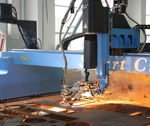
Flame cutting melts and separates metal using heat from burning gas. Plasma cutting relies on high-temperature plasma arcs to finish the cutting work.
-
Working gas
Flame cutting needs combustion gas and oxygen, and commonly uses coal gas, propane or acetylene. Plasma cutting adopts multiple types of gas, including argon, hydrogen, nitrogen, oxygen, air and mixed gas with water vapor.
-
Cutting thickness
Standard flame cutting works for plates ranging from 6mm to 200mm. After equipment modification, it can even handle plates over 300mm thick. The applicable cutting range of plasma cutting is determined by the power of the machine.
-
Application scenarios
Flame cutting is mainly used for carbon steel plates thicker than 20mm. Plasma cutting is ideal for plates under 20mm, covering ordinary steel, stainless steel, aluminum, copper, titanium and nickel alloys.
-
Cutting speed
Take 20mm thick steel plate as an example. The speed of flame cutting is around 450mm per minute, while plasma cutting can reach 1500mm per minute, delivering obvious advantages in production efficiency.