Plastic Materials Guide: ABS, PC, PP, PA
March 11, 2026
Sheet Metal vs Stamping Which to Choose
March 11, 2026How to Import Custom Parts from China
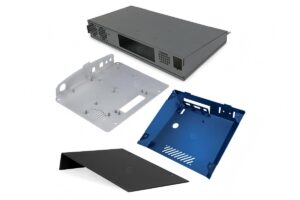 China is the global leader in custom manufacturing, offering high-quality sheet metal, metal stamping, and injection molding parts at competitive prices for buyers worldwide. Importing custom parts from China can seem overwhelming for first-time buyers, but a structured, step-by-step process eliminates risks, delays, and hidden costs. This guide walks you through every stage of importing custom parts from China, from design to delivery, for a smooth and successful sourcing experience.
Step 1: Finalize Your Design and Technical Files
The first step to successful importing is preparing clear, detailed technical files. Create a complete CAD file (STEP, IGES, or DWG format) with exact dimensions, tolerances, material requirements, surface finish preferences, and order volume. Include all critical specifications to avoid miscommunication with manufacturers. Before reaching out to suppliers, optimize your design with Design for Manufacturing (DFM) analysis to ensure it fits Chinese manufacturing standards and avoids costly production issues.
Step 2: Find a Reliable Direct Manufacturer
Avoid middlemen and work directly with a certified, experienced manufacturer to cut costs and ensure quality. Look for suppliers with ISO 9001 certification, English-speaking customer support, in-house production capabilities, and positive client testimonials. Prioritize one-stop factories that offer sheet metal, stamping, and injection molding services—this streamlines sourcing and reduces logistics hassle. Verify the manufacturer’s production capacity, quality control process, and lead time guarantees before moving forward.
Step 3: Request Detailed Quotes and Approve Samples
Submit your complete design files to request transparent, itemized quotes that include unit cost, tooling cost, material cost, production lead time, and shipping fees. Avoid quotes that are significantly lower than industry averages, as these often indicate poor quality or hidden charges. Once you select a manufacturer, request a pre-production sample to verify part quality, dimensional accuracy, and material before approving mass production. Sample approval is critical to avoiding large batches of defective parts.
Step 4: Monitor Production and Quality Control
Stay in regular communication with your manufacturer to track production progress. Ask for weekly updates, in-process photos, and quality check reports to ensure production stays on schedule. Reputable Chinese manufacturers conduct strict quality control at three stages: incoming material inspection, in-process production checks, and final pre-shipment inspection. For high-value orders, consider third-party quality inspection services to verify compliance with your specifications.
Step 5: Arrange Shipping and Customs Clearance
Choose a shipping method based on your order size and timeline: air freight for small, urgent orders and sea freight for large-volume, cost-effective shipments. Your manufacturer will provide all required export documents, including commercial invoices, packing lists, and certificates of origin. Work with a trusted logistics provider or customs broker in your home country to handle import clearance, duties, and taxes. Coordinate closely with your manufacturer to track your shipment and ensure timely delivery.
Common Mistakes to Avoid
Skip vague design files: always provide complete technical specifications. Avoid uncertified suppliers: prioritize ISO 9001 factories. Don’t skip sample approval: it saves costly reworks. Don’t ignore lead times: plan orders in advance to avoid rush fees. By avoiding these mistakes, you ensure a smooth, cost-effective import process.
CTA: Start your import journey with a free quote and DFM analysis from our one-stop China manufacturing team.