
Key Factors Affecting Blank Cutting of Sheet Metal Parts
March 9, 2026
Common Metal Stamping Defects & Solutions
March 10, 2026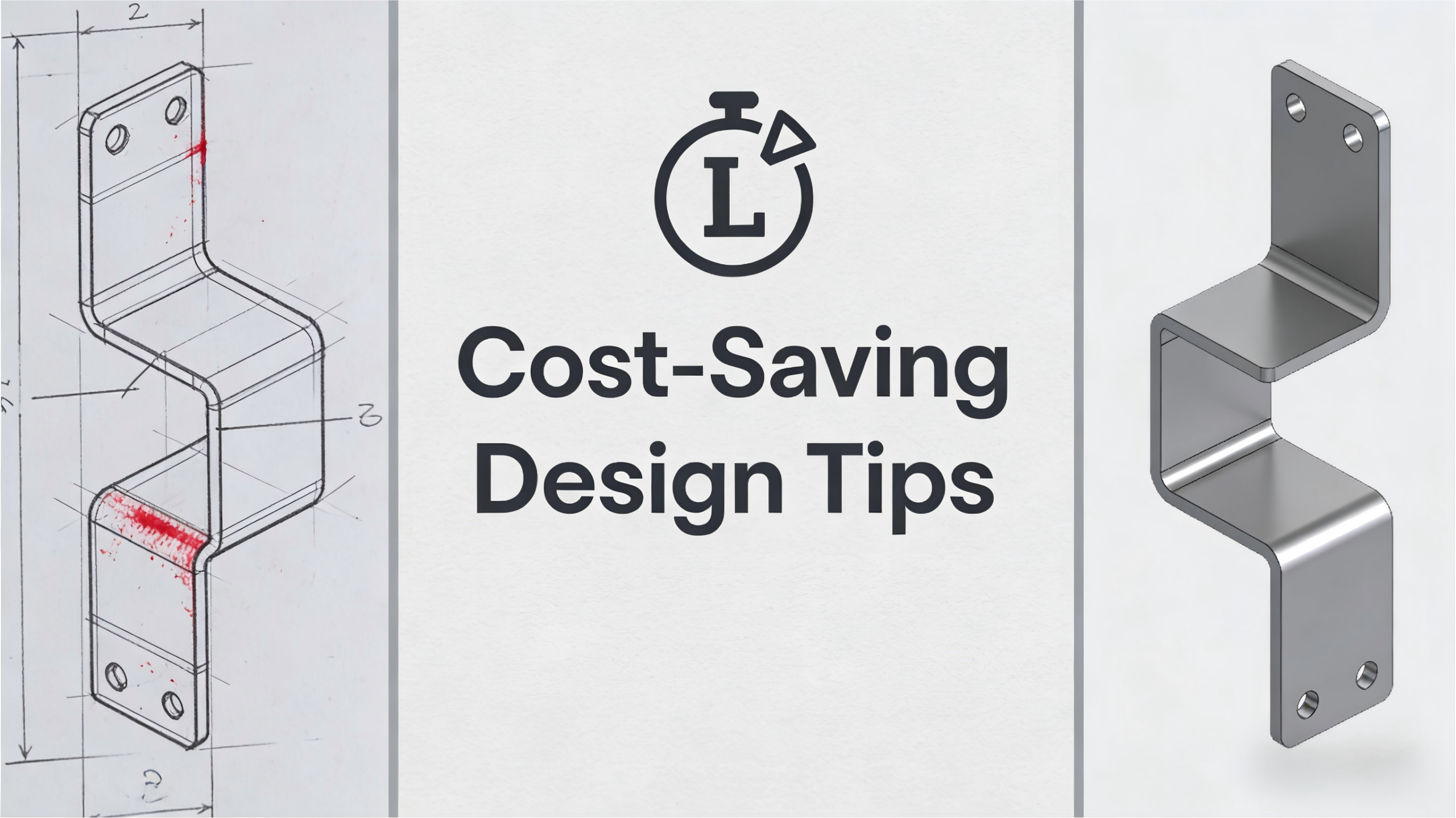
For global buyers sourcing custom sheet metal parts, production costs are often the top priority alongside quality and lead times. Many businesses overspend on sheet metal fabrication not because of material or labor prices, but because of unoptimized part designs that create extra work, waste, and production delays. Small, intentional design changes can lower total costs by 20% to 35% without compromising part functionality or durability. Below are actionable, industry-proven sheet metal design tips to reduce expenses and streamline manufacturing.
1. Avoid Unnecessary Tight Tolerances
Tight tolerances are one of the biggest drivers of high sheet metal costs. Ultra-precise measurements require specialized equipment, slower production speeds, and more manual inspection, all of which add to your final bill. Reserve tight tolerances only for critical functional areas of your part that directly impact performance or assembly. For non-essential surfaces and edges, stick to standard industry tolerances—this eliminates secondary machining and speeds up production significantly. Most reliable sheet metal manufacturers provide standard tolerance guidelines upfront, so align your design with these benchmarks early.
2. Use Standard Hole Sizes and Features
Custom hole sizes, unique cutouts, and non-standard bend angles require custom tooling, which comes with high upfront costs and longer lead times. Standardize your design to use common punch sizes, standard bend radii (typically matching material thickness), and universal cutout shapes. Manufacturers keep standard tooling in stock, so you avoid custom tooling fees and get faster turnaround. Even small changes like switching from a custom hole to a standard size can cut tooling costs entirely.
3. Keep Consistent Material Thickness
Varying material thickness across a single part forces manufacturers to source multiple material grades, perform extra processing steps, and handle parts more carefully, increasing labor and material costs. Design parts with a single, consistent thickness whenever possible. This simplifies material sourcing, speeds up cutting and bending, and reduces the risk of production errors. If varying thickness is unavoidable, limit changes to only one or two sections to minimize disruption.
4. Minimize Welding and Secondary Operations
Welding, grinding, and finishing are labor-intensive processes that add substantial cost to sheet metal projects. Design parts to be formed with as few welds as possible by using integrated bend features instead of separate welded components. Eliminate unnecessary secondary operations like powder coating or polishing unless required for the part’s end use. Reducing post-fabrication work cuts labor hours and shortens overall lead times, directly lowering your total cost.
5. Conduct DFM Analysis Before Production
Design for Manufacturing (DFM) analysis is the single most effective way to lower sheet metal costs. A professional DFM check identifies costly design flaws, inefficiencies, and potential production issues before manufacturing begins. Most reputable China sheet metal factories offer free DFM analysis for global clients, helping you refine your design for maximum efficiency. Taking the time to complete a DFM review prevents expensive reworks, material waste, and production delays down the line.
Final Thoughts
Lowering sheet metal costs doesn’t mean sacrificing quality—it means designing with manufacturing efficiency in mind. By following these simple tips, you can reduce per-unit costs, speed up lead times, and get high-quality custom sheet metal parts that fit your budget. Partnering with an experienced sheet metal manufacturer that prioritizes DFM and transparent pricing will further maximize your cost savings.
CTA: Contact our team today for a free DFM analysis and customized sheet metal cost quote.


